
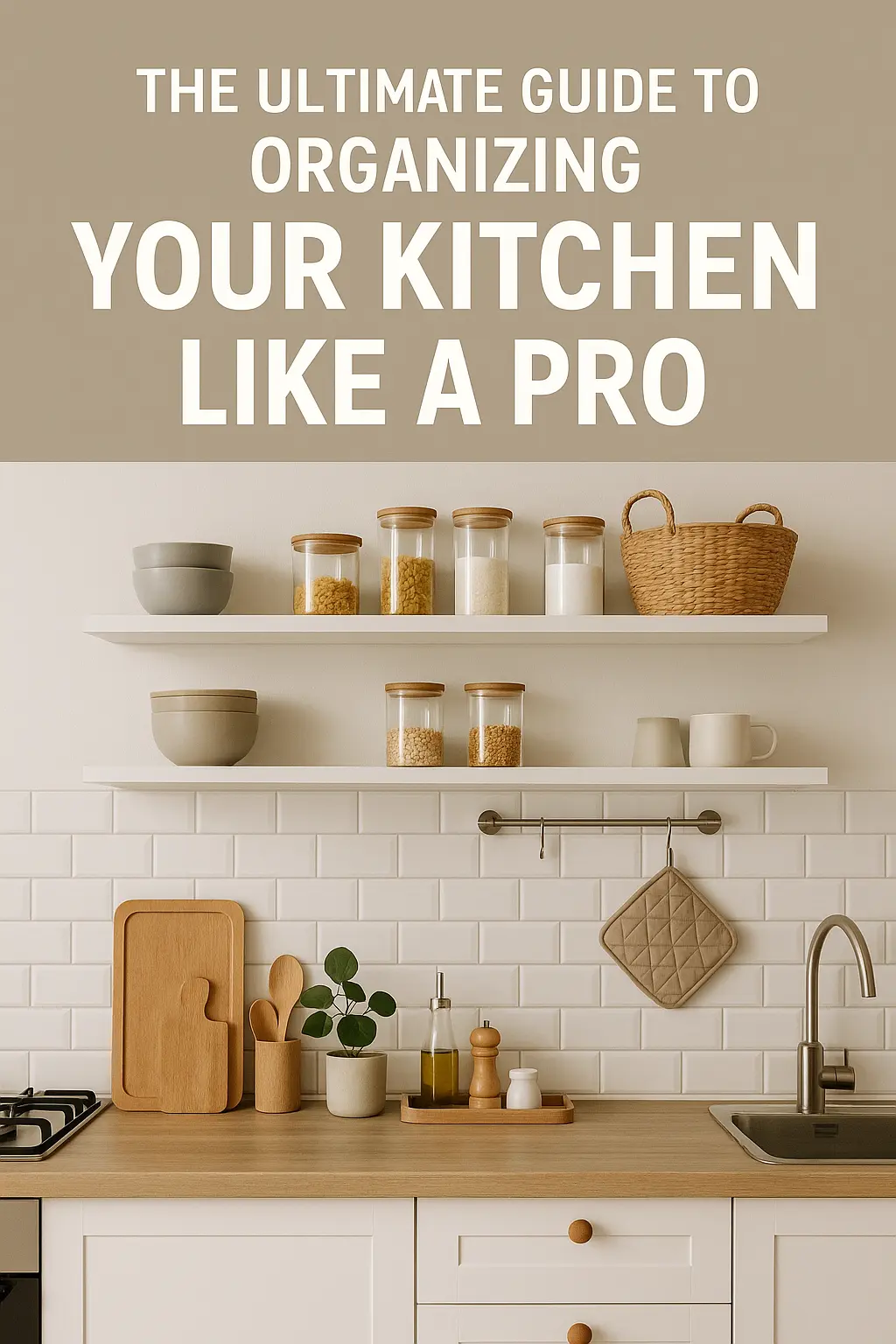
A cluttered kitchen can make cooking stressful, waste valuable time, and even cost you money if food spoils before you find it. The good news? With a few smart strategies, you can transform your kitchen into a tidy, efficient, and inviting space — without breaking the bank.
Whether you have a spacious open-concept kitchen or a small apartment setup, the principles of professional organization can be applied to any home. Here’s how to take your kitchen from chaos to calm.
1. Start with a Full Declutter
Before you start organizing, it’s essential to know exactly what you own. Take everything out of your cabinets, pantry, and drawers. Sort items into three piles: keep, donate, and discard. Be honest with yourself — if you haven’t used that bread maker in two years, it’s time to pass it on.
As you empty shelves and drawers, take the opportunity to clean surfaces. Wipe down shelves, vacuum crumbs from drawers, and replace any stained liners. A fresh start makes organizing much more satisfying.
2. Group Similar Items Together
Professional organizers often talk about “zoning” — grouping similar items together so they’re easy to find. Keep baking supplies like flour, sugar, and baking powder in one area. Store all breakfast foods together in another spot. Place cooking oils, spices, and utensils near the stove so everything is within reach when you’re preparing a meal.
This not only speeds up cooking but also helps prevent you from buying duplicates. When you can see you already have two jars of cinnamon, you won’t grab a third at the store.
3. Maximize Vertical Space
Cabinets often have a lot of wasted vertical space. You can easily double your storage by adding shelf risers or stackable organizers. For example, mugs can be stored on risers so you can use the space underneath for bowls or small plates.
You can also add hanging racks under shelves for stemware or lightweight mugs. In your pantry, use tiered shelves for canned goods so nothing gets lost in the back.
4. Invest in Clear Containers
Storing dry goods in clear, airtight containers keeps food fresh and makes it easy to see when you’re running low. Transparent containers also give your pantry a uniform, tidy look.
Choose stackable containers to save even more space. Label each one so everyone in the household knows what’s inside and where it belongs when refilling.
5. Use the Back of Cabinet Doors
The inside of cabinet doors is prime real estate for extra storage. Install small hooks or adhesive organizers to hold measuring spoons, pot lids, or even spice racks. This trick frees up drawer and shelf space while keeping frequently used items accessible.
If you have a pantry door, consider hanging a clear shoe organizer to store snacks, seasoning packets, or cleaning supplies.
6. Create a Coffee or Tea Station
If coffee or tea is part of your morning ritual, a dedicated station can save time and reduce clutter. Keep your coffee maker, kettle, mugs, sweeteners, and stirrers in one designated area.
Use a small tray to group everything together — it makes the space look intentional and makes it easier to clean. If you have a drawer nearby, use it for tea bags, coffee pods, or filters.
7. Rotate and Restock the Pantry
One of the biggest money-wasters in a kitchen is expired food. To prevent this, adopt the “first in, first out” method used in restaurants: place newer groceries behind older ones so you use up older stock first.
Do a quick pantry check before each grocery trip to see what you already have. This keeps your pantry organized and helps you plan meals around what’s on hand.
8. Tackle the Junk Drawer
Nearly every kitchen has one drawer that collects miscellaneous items — scissors, batteries, tape, and everything in between. The problem is that without a system, it quickly becomes a tangled mess.
Use small containers or adjustable drawer dividers to separate items by category. This makes it easy to find what you need without digging through clutter. Make it a habit to tidy the drawer every couple of months.
9. Keep Counters Clear
A clean counter instantly makes your kitchen feel bigger and more inviting. Limit countertop items to essentials you use daily, like a toaster or coffee maker. Store blenders, mixers, and slow cookers inside cabinets until needed.
If you want a decorative touch, choose one or two items — like a bowl of fresh fruit or a potted plant — to add personality without creating clutter.
10. Maintain with a Daily 5-Minute Tidy
The key to lasting organization is regular maintenance. Spend five minutes at the end of each day putting away stray items, wiping down counters, and checking that everything is in its designated place.
If you share your kitchen with family members or roommates, get them involved. Assign quick daily tasks so no one person is stuck with all the upkeep.
Bonus Tip: Make Use of Lazy Susans
Lazy Susans aren’t just for condiments. Use them in deep cabinets to store spices, sauces, or snacks so you can access everything without knocking items over. They’re especially useful in corner cabinets where space can be tricky.
Bonus Tip: Store Items by Frequency of Use
Keep everyday dishes, cups, and utensils in easy-to-reach cabinets. Place rarely used appliances or seasonal serving platters on higher shelves or in the back of cabinets. This way, the things you use most often are always accessible.
Final Thoughts
Organizing your kitchen like a pro doesn’t require a massive budget or fancy equipment. It’s about using your space wisely, keeping only what you truly need, and creating systems that are easy to maintain.
Start with one small area, like your pantry or utensil drawer, and build from there. Within a few weeks, you’ll find that cooking is faster, your kitchen feels more spacious, and you’re saving money by avoiding waste.
The secret is consistency — a few minutes each day can keep your kitchen looking like it belongs in a magazine while making it a joy to cook in.